
Cholla Wood: Memory, Survival, and Desert Restraint
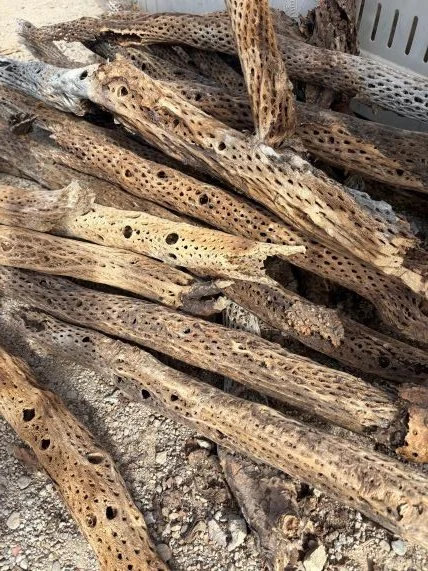
Cholla wood — two words — is what remains after a cholla cactus dies. The living tissue recedes, and the internal structure is exposed: hollow, patterned, unmistakably skeletal. It looks delicate, almost ornamental, but it’s the product of endurance. Time, drought, and exposure have already done their work.
In desert folklore and folk practice, cholla wood is not understood as a magical object by default. It is not “lucky.” It does not promise change. Its meaning comes from context, where it was found, when, and by whom.
The desert does not offer things casually.
The Land Remembers
Across many desert traditions, there is a shared understanding that the land holds memory. Objects left behind including, stones, bones, and plant remains, are not inert. They are witnesses. Cholla wood, in particular, is often spoken about as a memory structure: the visible record of what once survived long enough to be emptied.
This is why removal has historically been approached with restraint. Many stories warn against taking objects without need or gratitude. Not because punishment is guaranteed, but because extraction without relationship creates imbalance.
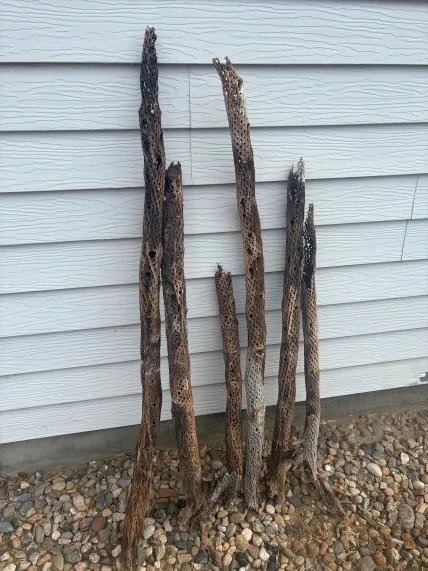
Sonoran Cholla Wood Available for Pick Up
Healing Associations
Cholla cactus represents more than twenty species within the Opuntia genus. Beyond its symbolic presence, cholla has a long-standing relationship to physical healing. When prepared correctly, cholla has traditionally been used to help treat burns and reducing scarring and promoting faster healing.
Not a Manifestation Object
In desert folk practice, found objects like cholla wood are not used to call things in. They are not tools for attraction or desire.
Cholla wood is about what you carry after.
After loss.
After endurance.
After the fight is over.
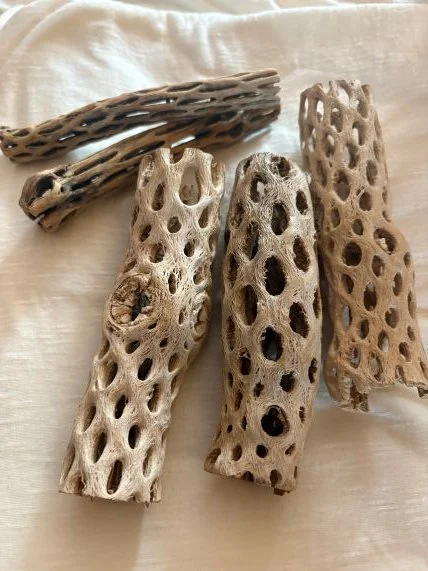
Small Cholla Wood Available by Shipping or Pick Up
